
Volunteering
Many aspects of our programme delivery are supported by committed volunteers. We are fortunate to have individuals with a diverse mix of skills who contribute to our work in meaningful and practical ways. Having volunteers from varied backgrounds brings valuable perspectives and their generosity helps create the supportive, engaging, and evidence informed environment that defines our programmes.
We ask for a minimum commitment of around four hours per week, and volunteers need to be able to attend our weekly meeting for an hour on a Wednesday morning.
In return, we aim to make volunteering a genuinely developmental experience. Following a short probationary period, volunteers will be offered access to NHS training, mentoring sessions, authorship on press, journal and blog publications, and opportunities to build skills and experience in a supportive, evidence-informed environment.

READ JANICE'S STORY
What is your background?
I left school at the age of 17 and went immediately into the work place as an office junior in the National Health Service. From the beginning I was keen to continue to learn and immediately enrolled in a shorthand and typing course progressing onto business management study at night school. Over the following years I married and had a family - throughout this time I continued to work in the NHS and studied part-time finally graduating in 2010 with an MBA in Public Service Management. I was employed in a variety of NHS jobs over 30+ years including operational management at an Acute Hospital, policy work as an NHS secondee at Scottish Government and Project/Programme Management of specific national health programmes including forensic mental health services and bowel screening. Between June 2007 and December 2009 I was Senior Programme Manager working with a central NHS Team tasked with rolling out the Scottish population based Bowel Screening Programme testing all men and women aged between 50 - 74 every two years. Involvement in this screening programme cemented my appreciation of taking a public health approach to preventing disease (in this instance bowel cancer) and to promoting health.
What made you want to volunteer with The Mindful Life Group?
Both my parents developed dementia in later life and, after my father died in 2015, I decided to retire from the NHS early so that I could support my mother to live in her own home for as long as possible. Along with my sister, we became carers for my Mum. At the same time I enrolled in an undergraduate Psychology course and in 2023 I graduated with a BSc (Hons) in Psychology with Counselling. This course opened my mind to the concept that caring for both body and mind were of equal importance and whetted my appetite to learn more about the mindfulness approach to living. Life-long learning is important to me and when I graduated in 2023 I wanted to continue to learn but did not want to undertake any further formal training or education. I applied to join the MLG as a volunteer and, after interview, my application was successful.

What has your experience been with the group?
I’ve loved my time volunteering with the Group. We have weekly meetings where volunteers, university students and those working for the MLG join together to discuss all aspects of the work of the Group. We all learn from each other. Over the last year I have worked with others from the Group on a qualitative research paper that we hope will be published and presented soon. Working with others in the Team from across the UK with different backgrounds and experiences adds to my life-long learning philosophy - every day is a school day. I’ve also contributed at Advisory Group meetings. The MLG Advisory Group brings together previous participants to hear about their experiences so that we can build on their suggestions to improve the Programmes run by the Group. For example, we know from listening to older age adults the they sometimes struggle with sleep. The MLG now runs a targeted CBT for Insomnia Programme
What does mindfulness mean to you?
A lot. Last year, out of the blue, my husband was diagnosed with an acute Leukaemia - within 3 weeks of his diagnosis he was admitted to hospital for a first round of chemotherapy. This kick-started a challenging year for the whole family - thankfully now green shoots of normality are returning to our lives. Mindfulness is something I turned to last year throughout the day and night. Living in the present and avoiding going down the many rabbit holes that can appear. Practicing the body scan in the middle of the night to help me focus, mindfully breathe and relax in order to get back to sleep. Progressing onto mindful breathing and movement including yoga and Qigong - all of these activities have helped keep me grounded in the moment. I participated in a short formal mindfulness online course earlier in the year and am contemplating joining an 8 week Mindfulness for Life course early in 2026 to formalise my mindfulness training. I also continue to do personal practice as often as I can even if it's a snatched few minutes here and there. You never know - my future ambition is for the MLG to spread its wings to reach as far as Scotland - my friends are keen to learn more about taking a mindful approach to help improve their lives.

"My future ambition is for The Mindful Life Group to spread its wings to reach as far as Scotland - my friends are keen to learn more about taking a mindful approach to help improve their lives."
READ MICHELLE'S STORY
What is your background?
I have an academic and professional background in psychology and mental health, with a strong interest in clinical psychology. Alongside my studies, I have gained experience in mental health support, research, and volunteering, applying psychological theory in real-world settings.
What made you want to volunteer with The Mindful Life Group?
I wanted hands-on experience in evidence-based psychological interventions and to develop skills directly relevant to Assistant Psychologist roles. The Mindful Life Group offered a supportive setting to be involved in clinically informed mindfulness work alongside research and reflective practice.

What has your experience been with the group?
My experience with The Mindful Life Group has been genuinely positive and important for my development towards Assistant Psychologist roles. I have been mentored by an Assistant Psychologist and trainee psychologists, observed experienced mindfulness teachers, and supported online clinical mindfulness interventions. I have contributed to journal articles, assisted with psychometric testing, and helped produce individualised participant reports, interpreting outcome measures and translating complex information into clear, accessible language. The team are friendly, open, and very supportive, and they actively try to meet individual needs. These experiences have helped me build confidence and meet the criteria needed to secure interviews for Assistant Psychologist posts.
What does mindfulness mean to you?
Mindfulness is both personally and professionally meaningful to me. I use it to notice what is happening in my body and to help regulate my nervous system. This supports emotional regulation, reflective practice, and compassionate working, all of which are essential in clinical psychology.

"The Mindful Life Group offered a supportive setting to be involved in clinically informed mindfulness work alongside research and reflective practice."
What is your background?
I am currently completing my full-time Master's degree in Health Psychology (BPS-accredited), following my BSc in Psychology. Before returning to study, I worked for several years as a Clinical Support Worker, supporting adults with cognitive challenges, dementia, Parkinsons, and other physical health related conditions. These experiences developed my understanding of the real-world needs of individuals and families navigating health challenges.
What made you want to volunteer with The Mindful Life Group?
Throughout my professional and personal experiences, I've seen how vital mental wellbeing support can be. I've always resonated deeply with mindfulness, both as a personal practice and as a tool for helping others. The Mindful Life's commitment to offering courses freely for older adults immediately spoke to me. Being able to combine a passion of mine with supporting people who might not otherwise have access to these resources felt like a perfect fit. I wanted to contribute to an organisation that actively removes barriers and provides compassionate, practical tools for those who need them most.

What has your experience been with the group?
My time as a volunteer has been amazingly varied and I've loved how hands-on my experience has been. I've co-facilitated mindfulness programmes and supported participants in all sorts of ways, from helping people navigate the content to troubleshooting tech issues so no one gets left behind. I have also been involved in the research side of things by interviewing participants, doing thematic analysis, writing blog posts, and contributing to an academic paper. It's been brilliant to contribute in so many different ways and see the impact from multiple angles.
What does mindfulness mean to you?
I was first introduced to mindfulness back in secondary school, and explored it more in college and through work related training. For me, it's always been tied to meditation, which I've practiced routinely since being a teenager. Mindfulness feels like a natural extension of that - grounding yourself in the present with kindness and curiosity. What I love most is how versatile it is. The more you engage with it, the more you realise you can apply it to almost anything. Now, through my research and volunteering, I appreciate it as both a personal anchor and an evidence-based tool that's simple, accessible, and genuinely transformative.
"I'd love to see The Mindful Life reach a national scale - supporting older adults across the country with these programmes. My hope is that it continues to grow as a bridge between evidence-based mindfulness and the communities that need it most. I'd hope it can become a model for what compassionate, accessible wellbeing support can look like when it's done right, and for as many people as possible to benefit from it."
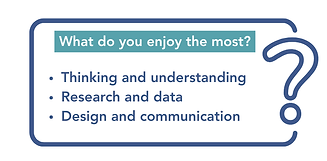
Which Volunteering Role Might Suit You?


.png)
Clinical Psychology Volunteer
You may enjoy this role if you:
-
Are interested in clinical psychology or mental health careers
-
Value reflective, ethical practice
-
Want supervised experience supporting psychologically informed work
Science Communication & Social Media Volunteer
You may enjoy this role if you:
-
Like shaping how organisations communicate their purpose
-
Are interested in ethical, values-led marketing
-
Enjoy helping the right people find the right support
-
Like writing, storytelling, or creating content
-
Enjoy translating evidence into accessible messages
NHS & Health Systems Volunteer
You may enjoy this role if you:
-
Are curious about how NHS or community health services operate
-
Like understanding pathways, partnerships, and service delivery
-
Want insight into real-world healthcare and third-sector collaboration